Identifier Strategy for Assets Across Design, Construction, and Operations
A persistent asset key preserves equipment identity through design, construction, and operations.
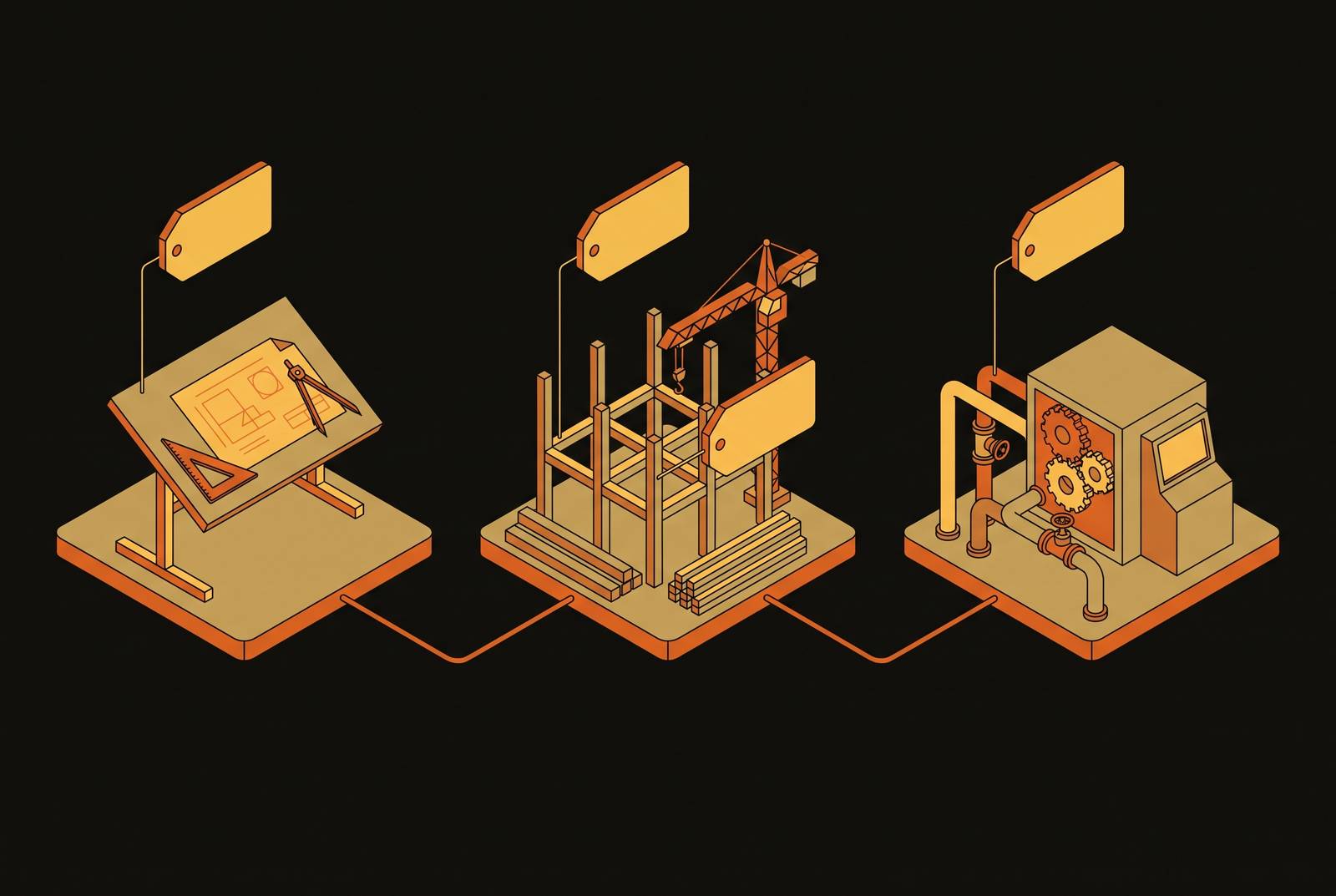
A DCIM-ready BIM handoff needs a persistent asset key, structured metadata, and agreed mappings to operational systems before construction begins. Identifier strategy keeps that record connected from design model to field tag to DCIM, EPMS, and BMS. Without it, each handoff becomes a manual effort to reconstruct information the project already had.
Why asset identifiers are a structural problem in data center delivery, not a labeling convention
An audit at a major telecommunications provider found that two data centers had significantly outdated asset registers. The audit led to a six-figure write-down in the fixed asset register and a full revision of internal procurement and governance procedures. The failure was not simply that labels were untidy. The business could no longer rely on its records to account for its assets.
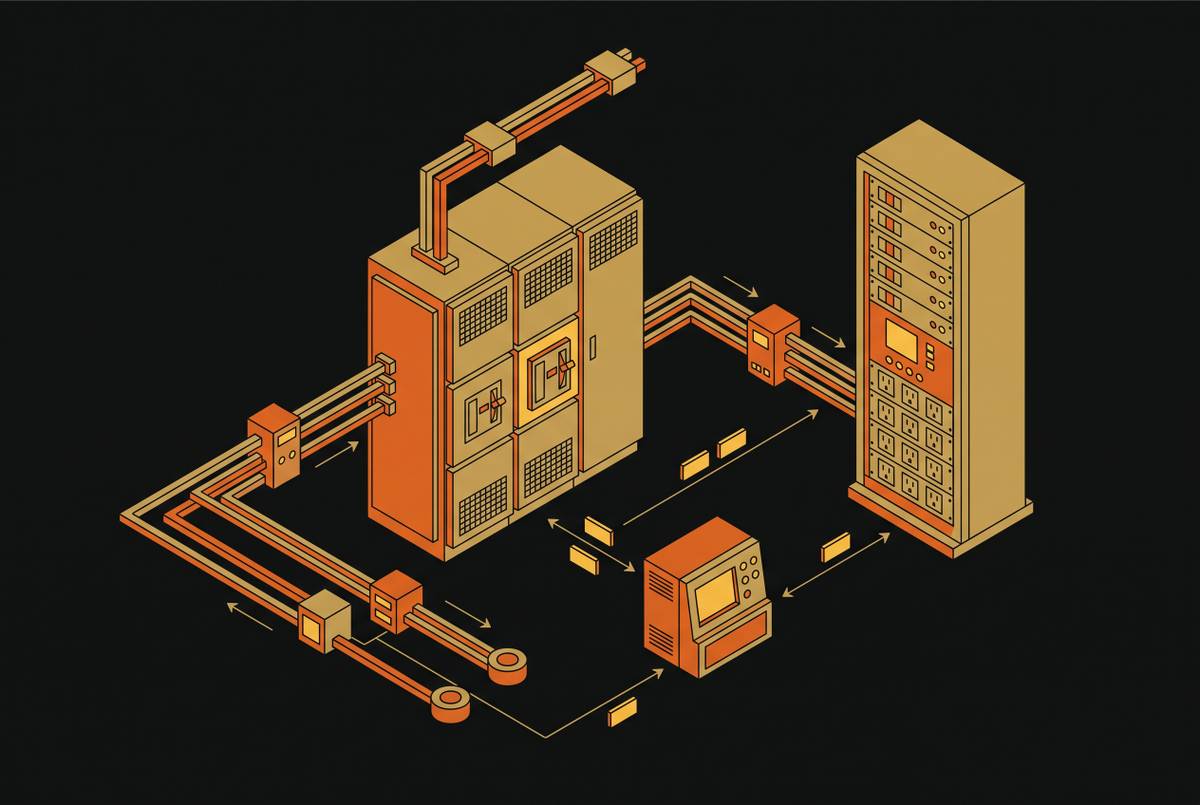
That risk grows with the length and scale of data center delivery. A facility costs hundreds of millions of dollars and is amortized over 15 to 25 years, while new hardware generations arrive every 12 to 18 months. The identifier strategy must preserve continuity through those hardware cycles, and the same reconciliation failure can multiply across a portfolio. BMS, EPMS, and DCIM each use their own naming conventions, so disconnected records also weaken the operational data those systems exchange. Identifier strategy is the connective tissue between these workflows, and without it every handoff forces teams to reconstruct what should already be known.
Where the identifier thread actually breaks: the three handoff points that destroy continuity
The first break is from design model to construction field tag, and its cause is an undefined tag schema. BIM carries the facility’s geometry and spatial data, but that does not automatically give crews a tag to apply to equipment. If the project has not defined one, crews invent a convention or use the equipment vendor’s label. The physical asset and its model record then diverge at installation.
The second break is from construction closeout to operational commissioning, and its cause is a missed capture window. A facility can involve thousands of submittals for equipment including generators, switchgear, UPS systems, CRAHs, and PDUs. Those records pass through long lead times and multiple approval tiers, often across disconnected platforms. By the time DCIM is stood up, the construction team may have demobilized and the submittals may be scattered. The equipment identifier in the submittal then has no reliable match in the operational record.
The third break is between operational platforms, and its cause is unsynchronized records without a common identifier. The asset system, DCIM, CMDB, and ticketing can each hold a different state for the same equipment. A decommission recorded in one leaves another budgeting for hardware that has already left. A missing field tag is easy to see, but this drift can go unseen. KPIs can look steady even when the asset records behind them disagree.
What a durable identifier actually contains: structure, metadata, and what must stay constant
A durable identifier is a key into a structured asset record. Its root identifies the physical asset and stays constant when that asset moves, is reconfigured, or changes rack position. Serial numbers, purchase date, warranty information, current location, and usage history belong in the record as attributes. Location and organizational unit are useful context, but poor foundations for identity because they change. Moving an asset must update its record while preserving its history.
High-density and AI-optimized halls make that distinction concrete. A row-and-rack label was suited to a more uniform density environment, but position alone cannot describe a cluster-based layout. One zone may operate at densities an order of magnitude higher than a neighboring zone, with different power, cooling, and redundancy needs. Zone type, density class, and cooling mode therefore need to be structured metadata tied to the persistent key. The record can then describe the infrastructure the asset depends on without forcing every detail into its name.
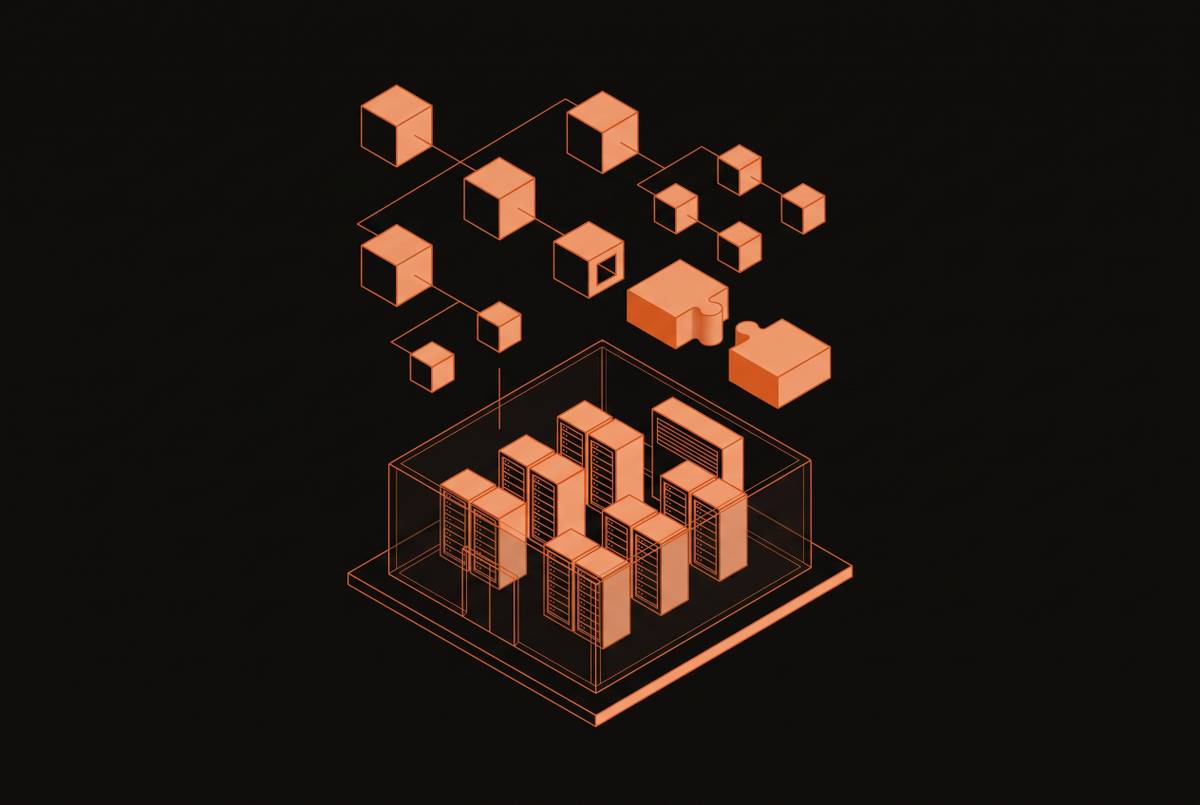
That record must also be resolvable across systems. BMS, EPMS, DCIM, and CMDB need either a shared schema or a defined translation layer. Their native names do not all have to disappear, but each must lead back to the same asset. This is the distinction between a readable label and a durable identifier. One helps a person recognize equipment, while the other keeps its records connected.
When to fix the identifier schema: why this is a design-phase decision with construction-phase consequences
Construction mobilization is the deadline for schema alignment. Once crews start applying tags and equipment records start moving through submittals, the project is already using a naming convention. Deferring the decision allows separate teams to answer the question independently. Each later fix must then undo a choice that is already part of the work.
The submittal pipeline makes that timing especially important. It is the last practical opportunity to capture the manufacturer’s identifier and connect it to the design identifier before installation. If a GC runs submittals and RFIs in one platform while a mechanical sub works in another, disconnected records force someone to re-key the information. That is where the equipment record can diverge while its supporting data is richest. Waiting until commissioning means trying to restore that link after the people have left and the documents have scattered.
Without traceability from design forward, later changes and warranty events have no clear link to the asset or the owner who is responsible for it. Retrofitting the mapping after handover is more expensive and rarely complete. Schema alignment therefore belongs among the design deliverables that construction needs to proceed, rather than among the cleanup tasks left for closeout.
How to structure the naming schema: practical decisions that determine whether the identifier survives handoff
The first structural choice is to assign the persistent key independently of row, room, or rack position. Carry it forward as the key for every record that follows, and keep details of its position in separate fields. The asset platform should allow hierarchical tracking, version control, and real-time updates so that the asset can keep its identity when its context changes. The second choice is to make systems class, density zone, cooling mode, and redundancy class queryable metadata. String suffixes are a poor substitute because their meaning can become ambiguous or stale.
The third choice is to define a cross-system translation table during design. Map the design identifier to the native keys used by BMS, EPMS, DCIM, and CMDB, and make that mapping a formal deliverable with a named owner. The field engineer is the natural owner of construction verification because that role connects design to field work, RFIs, and submittals. The QA/QC Manager should gate the handoff to commissioning with an explicit identifier check, while commissioning management verifies that the as-built identifier matches the operational record before energization.
Each equipment approval should include the mapping from the manufacturer’s serial identifier to the design identifier. That requirement gives the construction owner a specific capture point rather than a vague obligation to keep records aligned. It also puts the mapping into the project while the supporting information is available. Installation and commissioning can then verify an established connection.
How do you get structured BIM asset data into DCIM, EPMS, and BMS without re-entering it?
The route is a formal design-to-as-built reconciliation workflow with defined acceptance criteria. When the persistent key, metadata, and system mappings have survived construction, the verified asset record can move into DCIM, EPMS, and BMS without manual re-keying. BIM stays the design-of-record reference, while DCIM keeps the live operational record up to date. Handoff transfers an established record rather than creating a new identity for installed equipment.
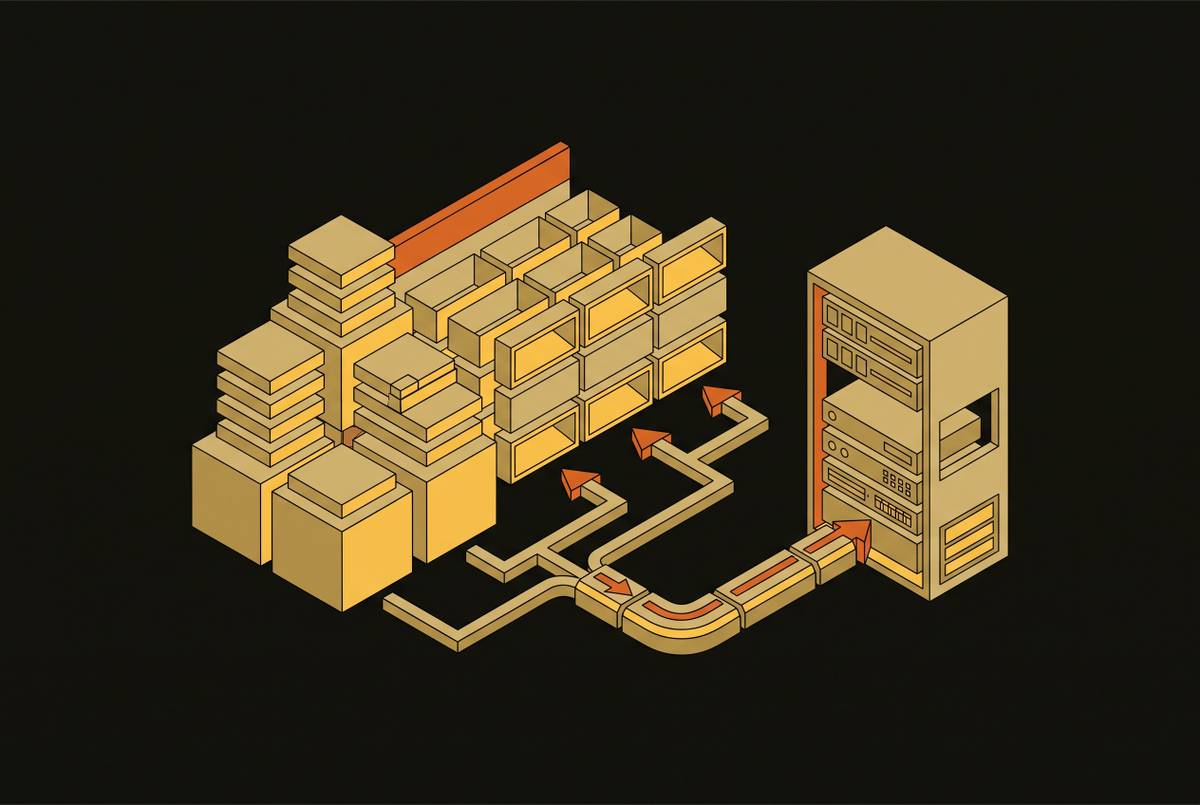
DCIM consumes data from BMS and EPMS, so the incoming identifiers must resolve against the asset record DCIM uses. Commissioning evidence should show that link by tying alarm logic, threshold rationale, and escalation procedures to the operational asset key. Vendor test reports alone do not establish that the operational team can connect those details to the right monitored asset. In this workflow, the commissioning package tests the identifier strategy as well as documenting equipment behavior.
Older facilities may still lack addressable sensors or use proprietary protocols, making DCIM deployment a retrofit and systems-integration effort. Structured asset records remove one layer of that burden. When the strategy works, operational handoff is a data promotion. When it fails, handoff is a reconstruction from partial and conflicting sources that never fully succeeds.
What a connected design environment does to make identifier continuity automatic rather than manual
A rack move is a useful test of whether the workflow is truly connected. In disconnected tools, it triggers separate updates across power, cooling, cable routing, schedules, and sheets. Each time someone re-enters the data by hand, the identifier has another chance to drift. In a connected workflow, those changes cascade while the identifier travels with the asset record.
ArchiLabs Studio provides one automation layer for planning, critical-system coordination, document intelligence, project response, and operations-ready handoff. That is the relevant role for a connected design environment, rather than another place to maintain a separate equipment list. Platforms such as Archil Labs can embed schema alignment during design so that the record established in layout carries through construction closeout and into DCIM. The useful criterion is bidirectional traceability between BIM, construction documentation, and operational platforms. Keeping the shared key and its mappings visible across those transitions addresses the isolation behind each of the three breaks.
Identifier enforcement itself requires deterministic rules. A rule can require a record to have a persistent key, systems class, and cooling-mode attribute before it can enter the as-built package. Equipment data extracted from manufacturer PDFs can also flow into models, schedules, and validation rules, allowing the manufacturer’s identifier to be captured and mapped early.
Building the identifier strategy into the project plan: what to decide before design begins
Decide how to structure the persistent key before creating model elements. Document an unchanging root independent of position, room, or organizational unit, closing the failure mode in which a move breaks identity. Then define the required metadata for each asset class. In high-density and cluster-based zones, systems class, density tier, cooling mode, and redundancy class must be required fields.
Decide the cross-system translation table as a formal deliverable with a named owner and a commissioning verification step. Then assign responsibility for identifier integrity at design-to-construction, construction-to-commissioning, and commissioning-to-operations handoffs. Make that verification an acceptance criterion at each transition.
Finally, designate submittal approval as the identifier-capture moment. Require a verified mapping from the manufacturer’s serial identifier to the design identifier before installation, closing the capture window before it is lost. The supporting asset database must allow hierarchical tracking, version control, and real-time updates, with connections to procurement, maintenance, and security management.